Analysis of Dunkirk

The first time I watched the movie “Dunkirk”, I watched in the Air and Space Museum shortly after its release in DC. To me, it is one of the most well-done and realistic war movies to ever grace the screen. Mainly for these three reasons – acting, set, and script.

It is tempting when making war movies to find the best physically suitable actors for the part, but in Dunkirk, especially with the choice of Cillian Murphy, Harry Styles, and Tom Hardy, they also chose actors emotionally fit to play these roles. The set of Dunkirk really sold it for me. The beach, the barracks, the military bases. If you look at pictures of Dunkirk at the time of the battle and look at the movie, it is one in the same. The script was the finishing piece. They used the perfect amount of trans-atlantic accent without over-doing it, and wrote a beautiful and tear-jerking script due to their use of real historical stories.
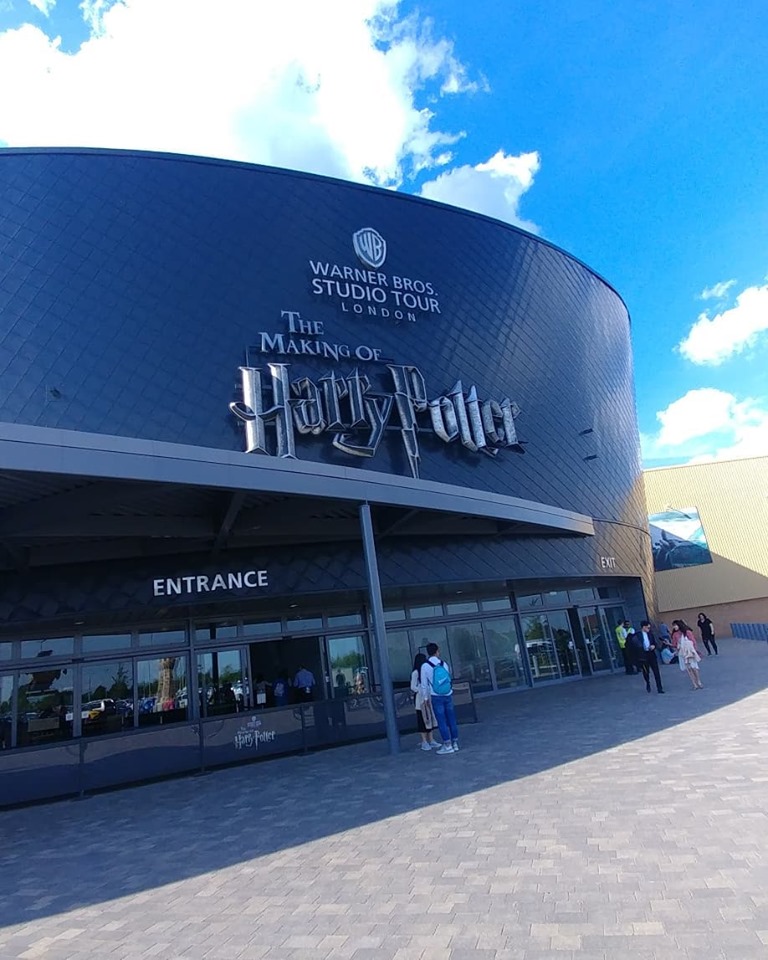
London & Harry Potter Experience

Our week in London was full of wonderful adventures. From shopping, to museums, to bus tours, to navigating public transportation in a foreign country, it was full of exciting experiences.

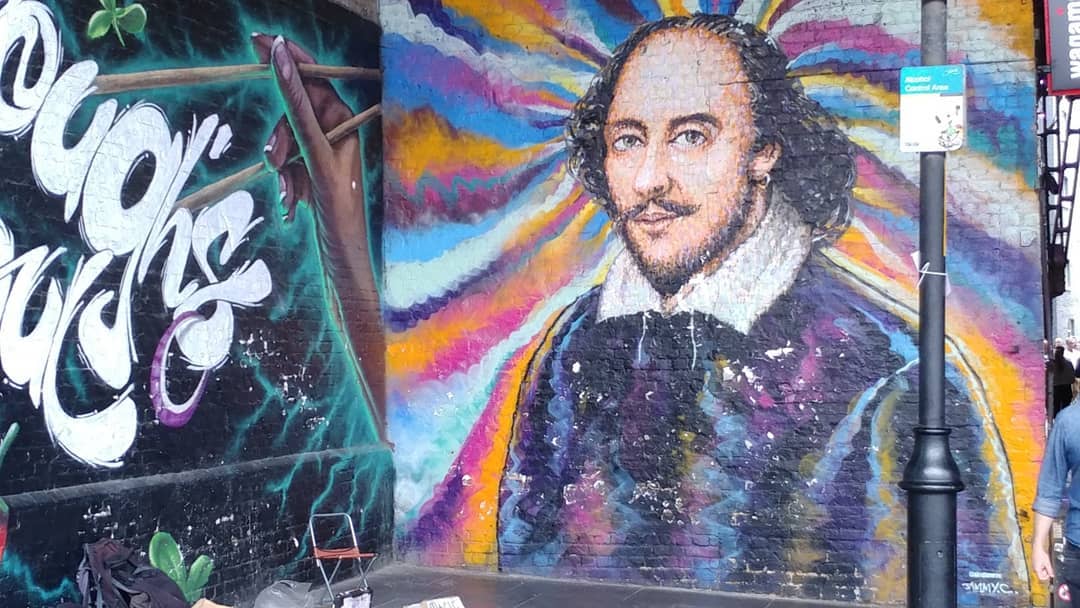
I absolutely loved getting to see Henry V at Shakespeare’s Globe. I grew up reading Shakespeare and even acting in plays that were written by him, and this experience was once in a lifetime.

However, chief among these experiences for me was getting to experience the Harry Potter studios in London.

Harry Potter was my childhood. Reading the 7 books and watching the 8 movies got be through joyful and difficult times, and it was amazing to see how the story came to life on screen, behind the scenes. I personally never knew how little CGI they used in Harry Potter, which made this fictional world so much more believable and timeless. In addition, the quality of the realistic props made all the difference. Most of the props for the Harry Potter movie were found at thrift stores or handmade functional items for the set. This made the Harry Potter on-screen world not just believable, but real. The actors who gave their life to the production of these movie are owed a tremendous amount of credit. They truly BECAME the characters.

Day 15

Lindisfarne and Holy Island were amazing and relaxing. We learned so much about the History of St. Cuthbert and the olden oasis of peace that is Holy Island. One of the really unique things about Holy Island is that you can only cross over at certain times of the day when the tide is low, making it secluded from the mainland for much of the day.

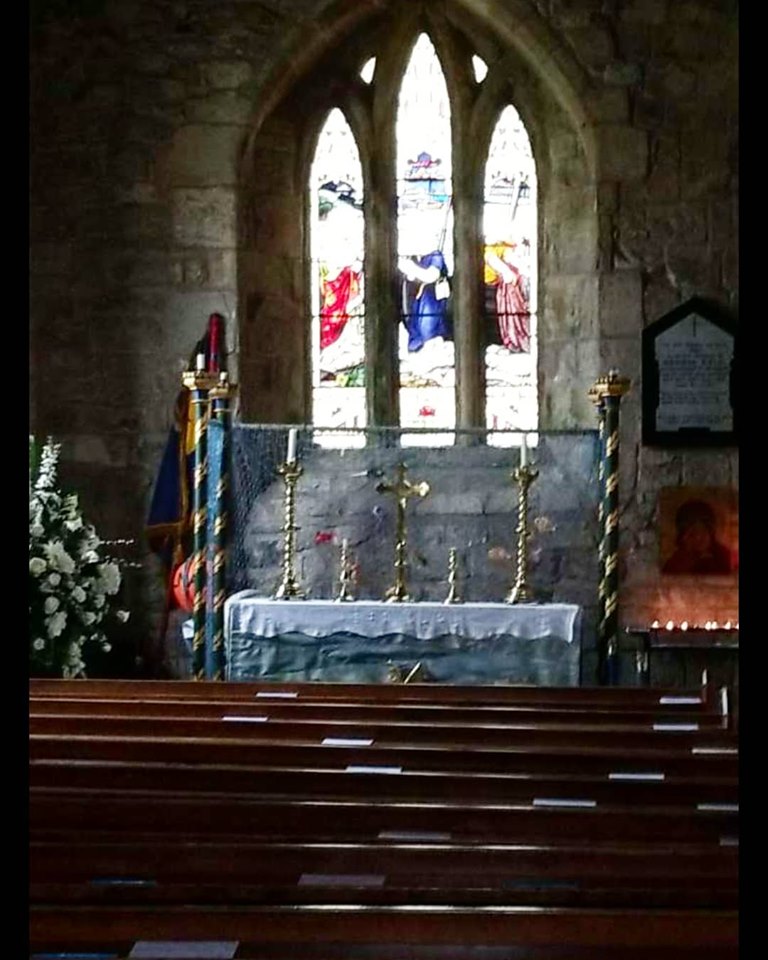
The place we went to on Holy Island that stuck out most to me was St. Cuthbert’s Church. It’s hard to describe, but something beautiful about the past presence of saints in that Church was awe-inspiring. Later, after our tour, I went back there to pray.

St. Cuthbert was a monk, a hermit, and later a bishop who strongly influenced the building of Catholic culture in Great Britain. On Lindisfarne, you really could feel the presence of holiness, and I assume that it’s from the long legacy of prayer on that Island.

Day 14

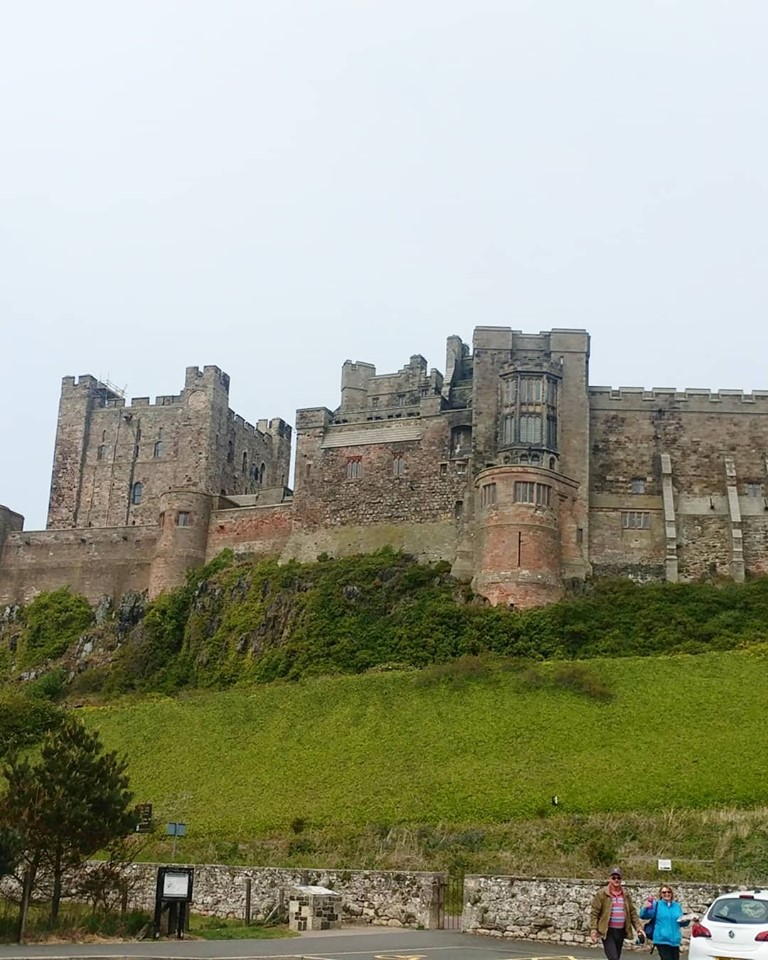
Bamburgh Castle was one of, I believe, the entire group’s favorite places to visit. We had learned so much about medieval history up to that point that it was so exciting to see what we had learned come to fruition. Bamburgh is right on the North Sea and is what Gillingham describes as a “fortress” (Medieval Britain, 110). It was used as a watch to alert any incoming invasion from Scotland. In fact, from the top of Bamburgh Castle, you could see Scotland!

The Castle has been restored and renovated to keep up with the many people who travel fair to tour the inside of the castle. There are even real and replica furnishings and art inside the Castle that help one to imagine how it was when medieval nobles lived inside.

Day 13

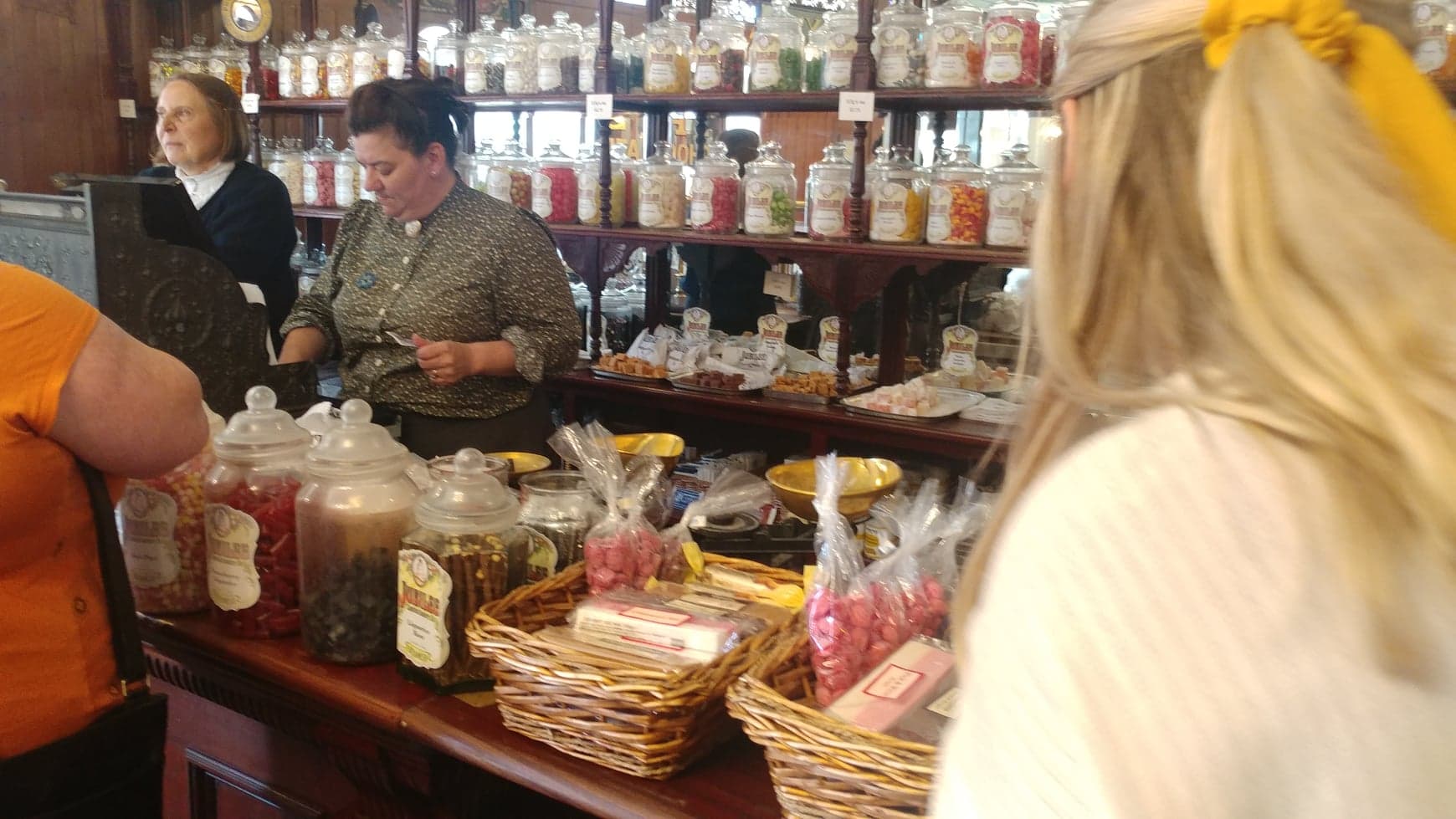
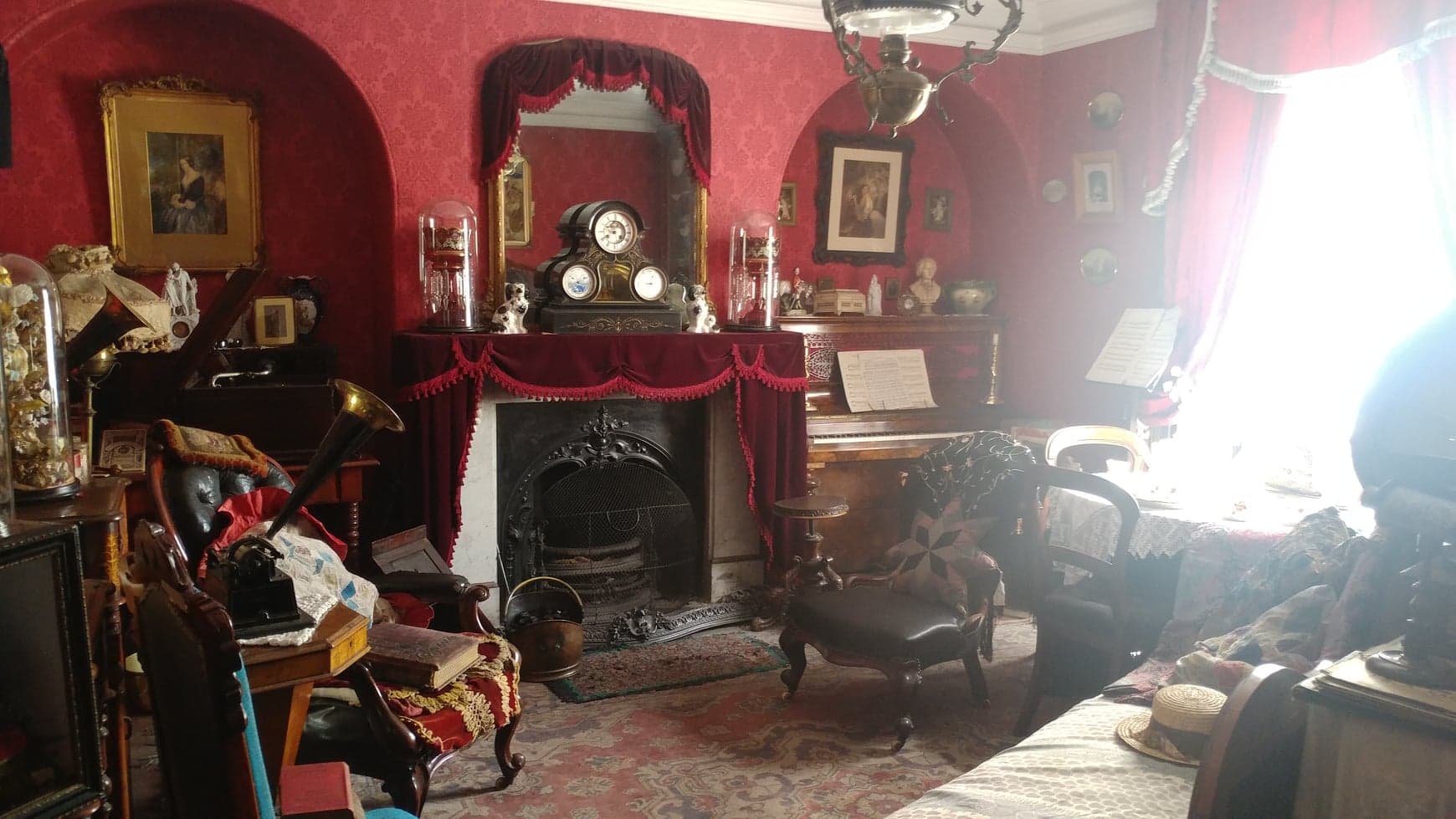
The Beamish Museum. This place was my favorite excursion we had during our entire stay of England. The Beamish is an open-air museum where you get to experience different eras of British history. One of my favorite parts was the 1920’s town. We got to see houses that looked just like that of the amazing “Billy Elliot” movie. It was amazing to see an area that looked like both his neighborhood in the movie, as well as the houses in “Listen to Britain”, the documentary we watched early in our stay.

This visit really helped me understand and appreciate more of how much the British have gone through. From their own economic crash in the 1920s to World War I and then World War II – the Brits are an extremely resilient people.

Bowes Museum

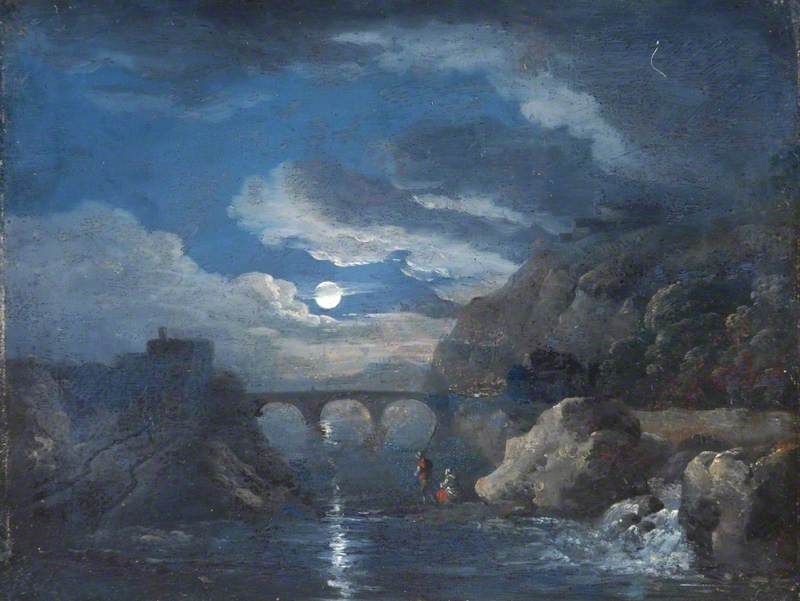
Lantara, Simon Mathurin; Landscape, Moonlight; The Bowes Museum; http://www.artuk.org/artworks/landscape-moonlight-44869

On our 12th day, after visiting Barnard Castle, we walked over to the Bowes Museum where I discovered this beautiful work by Simon Mathurin. What particularly drew me to this was the small but bold centerpiece of the moon. What really spoke to me about this painting is the two people walking with their only guide as the moon. To me, this piece sort of spoke to hope in the midst of suffering and darkness.

Day 12

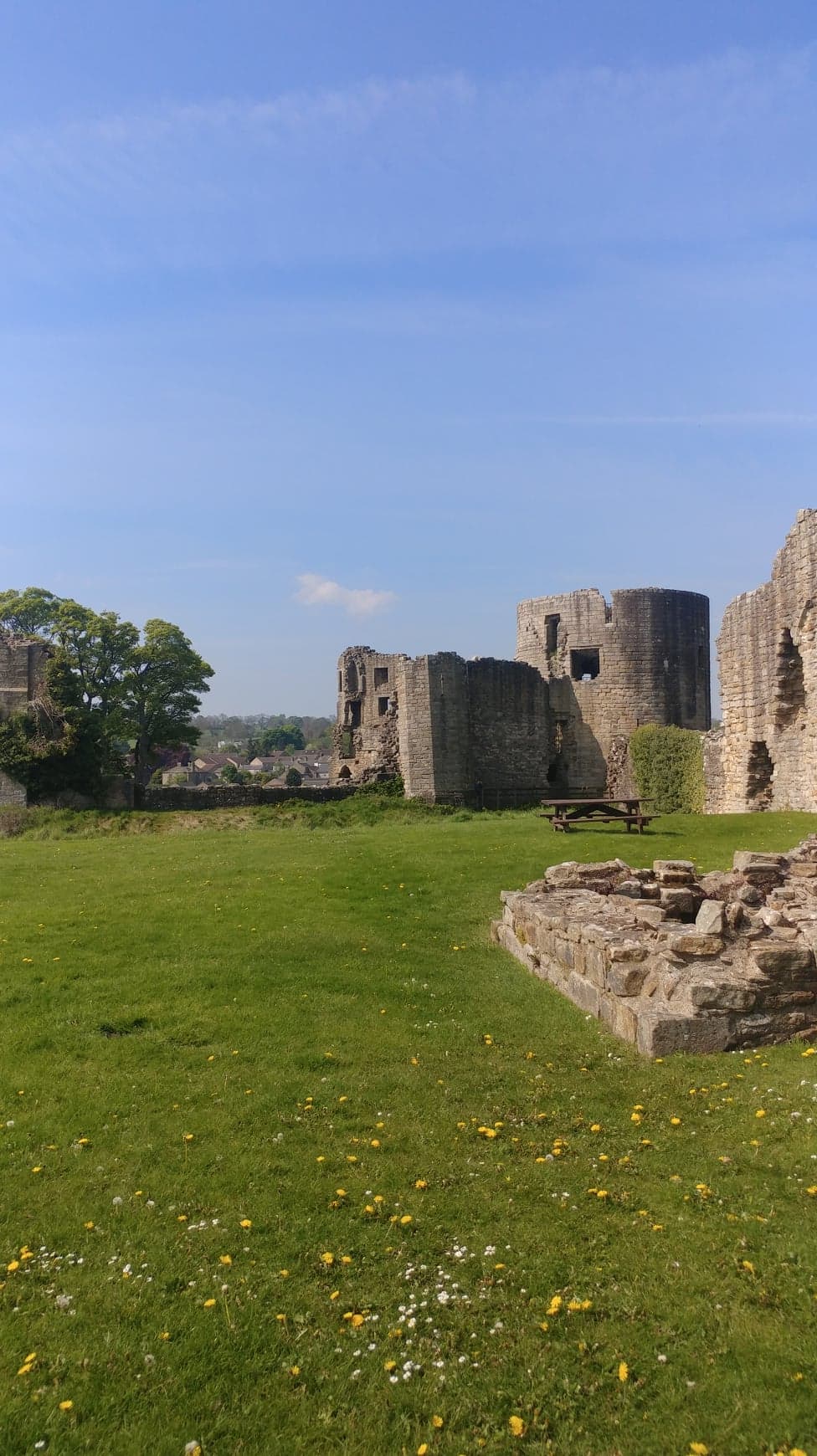
On the 12th day of the Great Britain trip, we saw the ruins of Barnard Castle. It was very interesting to see remains of a castle the day before we saw Bamburgh Castle, which is still intact and renovated. A large part of the British culture is “imposing and elegant castles” (Gillingham, Medieval Britain, 110). Barnard Castle really brought this to life! As we walked around, we could really imagine what life was like for someone who lived in the castle.

Edmundbyers Socializing

While we were staying at the youth hostel in Edmundbyers attached to “The Baa” (an adorable village pub), I was blessed to meet Dan, a physical therapist with a beautiful American black lab. Dan lived in America for many years after leaving England to pursue a physical therapy career. He lived in Rhode Island for 8 years and then Florida for about 4 years. However, his brother who still lives in England was made a widower a few months ago. So as to spend time with him, he moved with his dog back to County Durham and practices physical therapy there now. He certainly had a dry sense of humor, native to the British character, but had a very self-sacrificial way of treating others that really spoke to his American influence. It was awesome to meet someone so cultured and kind.

Day 11

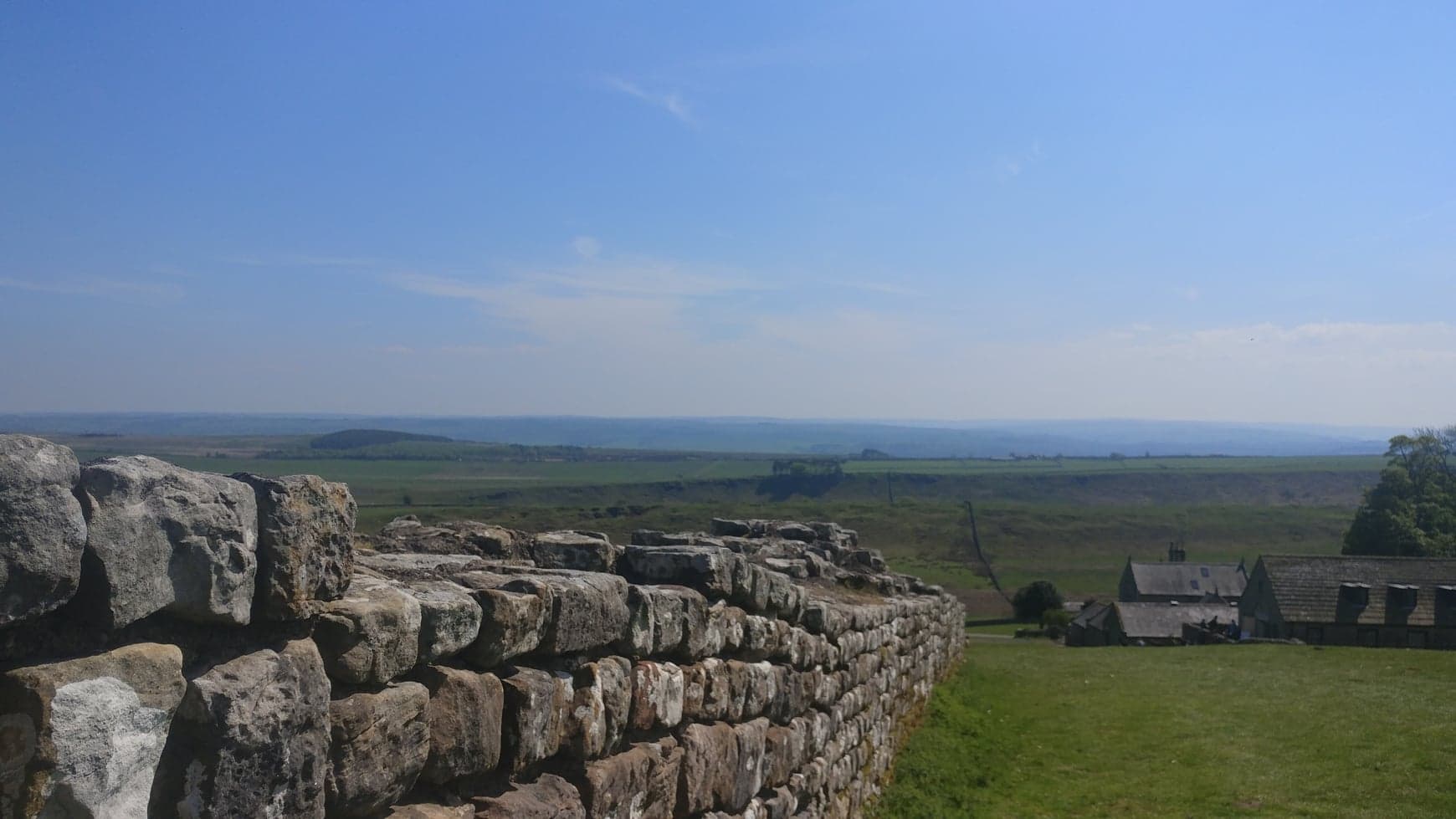
Today was absolutely fantastic. We went to Vindalandia and hiked to Hadrian’s Wall, an ancient guard against invading tribes as well as a look out post in war. In fact, this wall was built on the line where Roman soldiers retreated from battle against Scotland (Peter Salway, Roman Britain, 43).

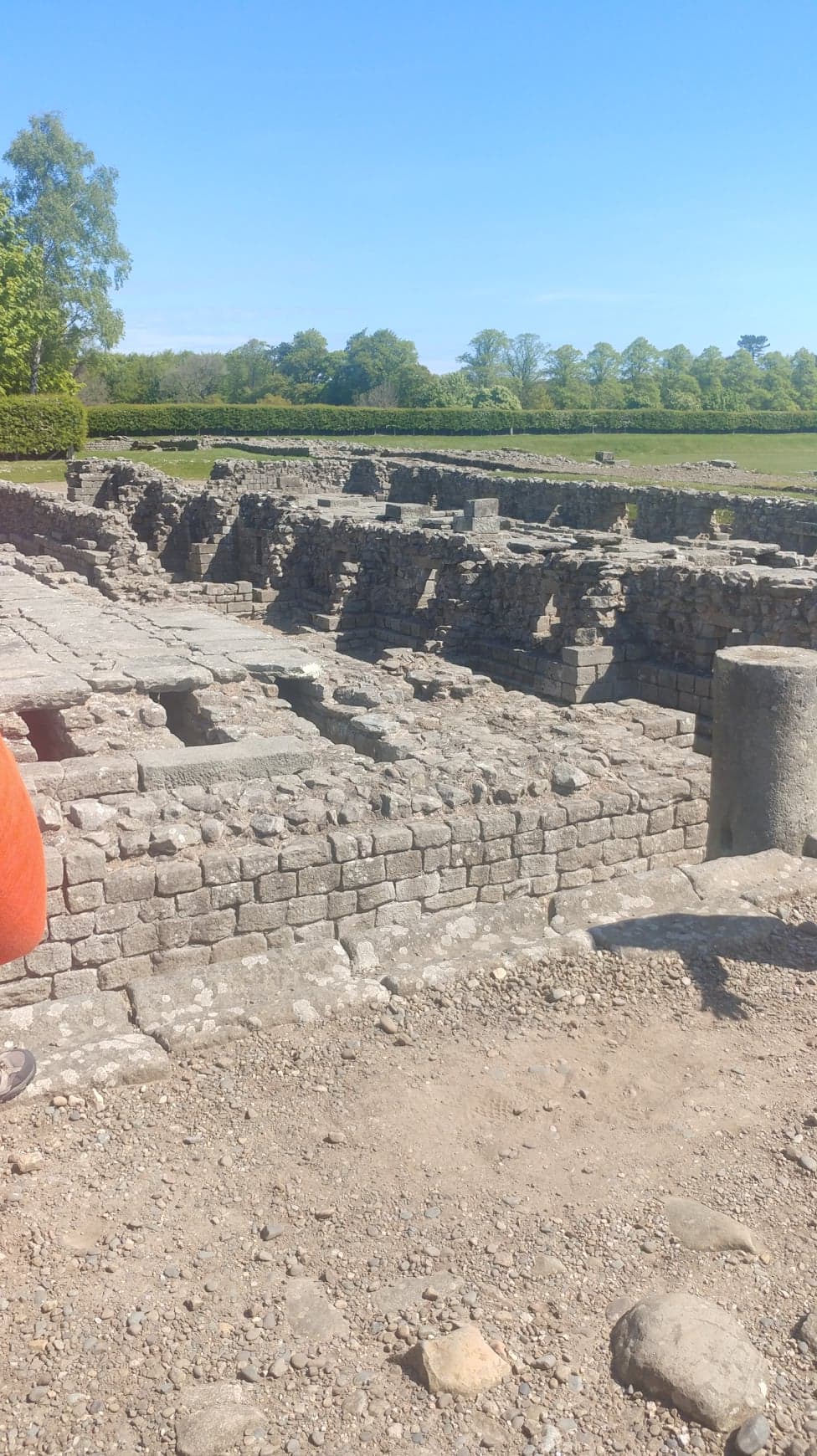
That day we also went to Corbridge, and visited ancient Roman archaeological ruins. One of the most interesting parts to me was to see areas that were Roman family homes and imagining the life that went on there.

Day 10

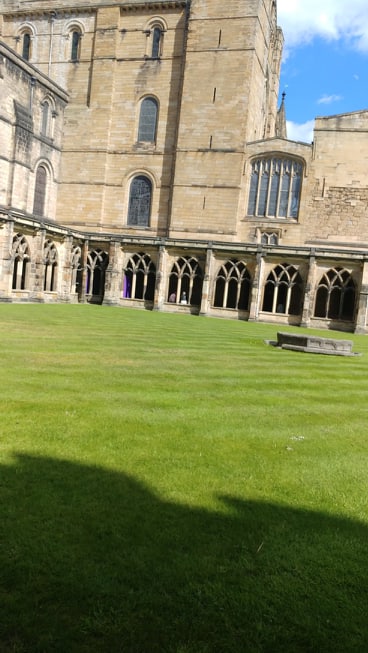
After traveling for a day to Durham, we had an amazing day visiting the beautiful town and Cathedral there. To me, this was the most stereotypically medieval place we had been thus far in the trip. In fact, due to the architecture at the Cathedral, the directors of Harry Potter decided to film multiple Quidditch practice scenes in the courtyard there.

The Durham Cathedral was once home to a large group of monks. In “Medieval Britain”, John Gillingham says that in 1066 there were 1,000 monks and nuns in England, and by 1216 there were 13,000 in the countries. England’s religious influences are huge, as can be seen by the several of the movies we watched. Specifically in Chariots of Fire, the entire movie is centered around the spiritual experience of faith of the runners. This religious influence was easy to see in Durham.

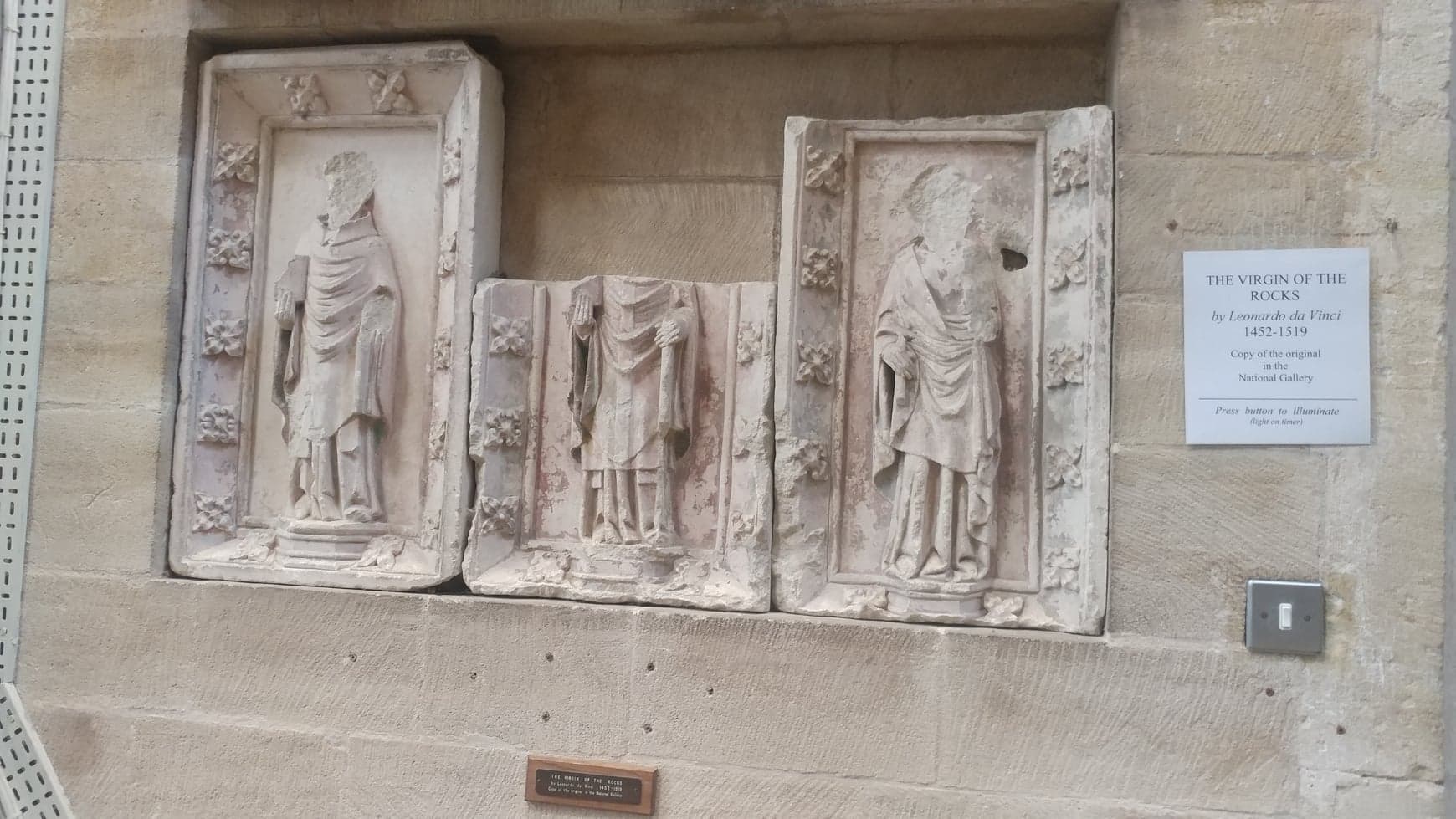
One of the most interesting parts of the Cathedrals we visited on our trip was seeing the destruction still left over from the reformation – how all the Catholic statues and attributes of the Churches were destroyed.